Standing on the rim of the Ngorongoro Crater at sunrise, I understood why travelers fly halfway across the world for Tanzania safari tours. Below us, mist lifted off grasslands where buffalo moved in slow lines and birds of prey circled in silence. That morning set the tone for everything that followed – wildlife safari moments that felt personal, not staged, and a landscape that never stopped surprising me.
If you are planning a wildlife safari in Tanzania for the first time – or returning because Serengeti, Kilimanjaro, and Zanzibar pulled you back – this guide is written for you. I traveled with local guides based in Arusha, asked every practical question I could think of, and came home with notes I still use when friends ask whether a Tanzania safari is worth it. The short answer is yes, and here is how to plan it well.
Why Tanzania Safari Tours Feel Different From Other African Safaris
Tanzania protects more land for wildlife than almost any country on the continent. The Northern Circuit – Serengeti, Ngorongoro, Tarangire, and Lake Manyara – delivers the classic Big Five experience in a single week. The Southern Circuit offers quieter bush. Coastal extensions to Zanzibar turn a safari into a full holiday.
What surprised me most was how quickly the country shifts mood. One day you are tracking lions on golden plains; the next you are sharing chai near the crater highlands. That mix of wilderness and culture is why Tanzania safari tours rank among the world’s top wildlife travel experiences.
Travel Tip: Arrive in Arusha at least one night before your first game drive. Jet lag and road transfers are easier when you are not rushing straight into the bush.
Destination Overview: Parks on Every Great Itinerary
Serengeti National Park
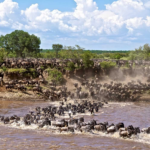
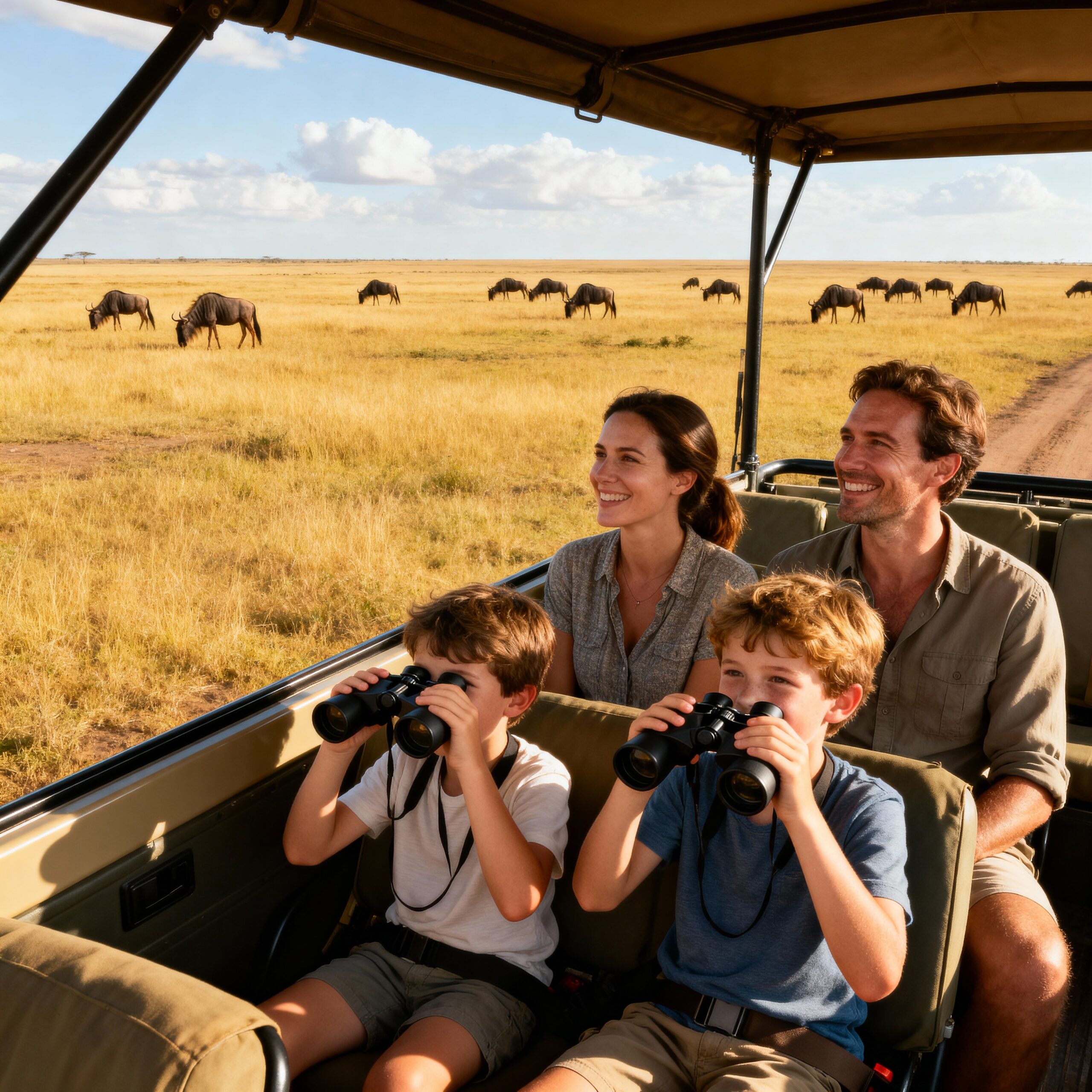
The Serengeti is the heart of most wildlife safari packages. Its endless plains host the Great Migration (roughly June-October for river crossings in the north), year-round predator action, and some of the highest lion densities in Africa. I still remember our guide stopping the jeep when a cheetah stood on a termite mound – completely still – while the wind carried the smell of rain.
Ngorongoro Crater
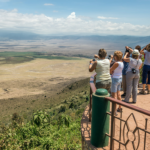
A UNESCO World Heritage Site, the crater is a natural amphitheater teeming with wildlife. Black rhino sightings are possible here, along with large elephant bulls. Mornings can be cool; pack a light fleece.
Tarangire National Park
Famous for elephants and baobab silhouettes, Tarangire shines in the dry season when animals gather along the river. Birders love it – over 500 species have been recorded.
Lake Manyara National Park
Compact but memorable, Manyara is known for tree-climbing lions and flamingo-fringed shores when water levels allow. It is often included as a gentle introduction before deeper days in Serengeti.
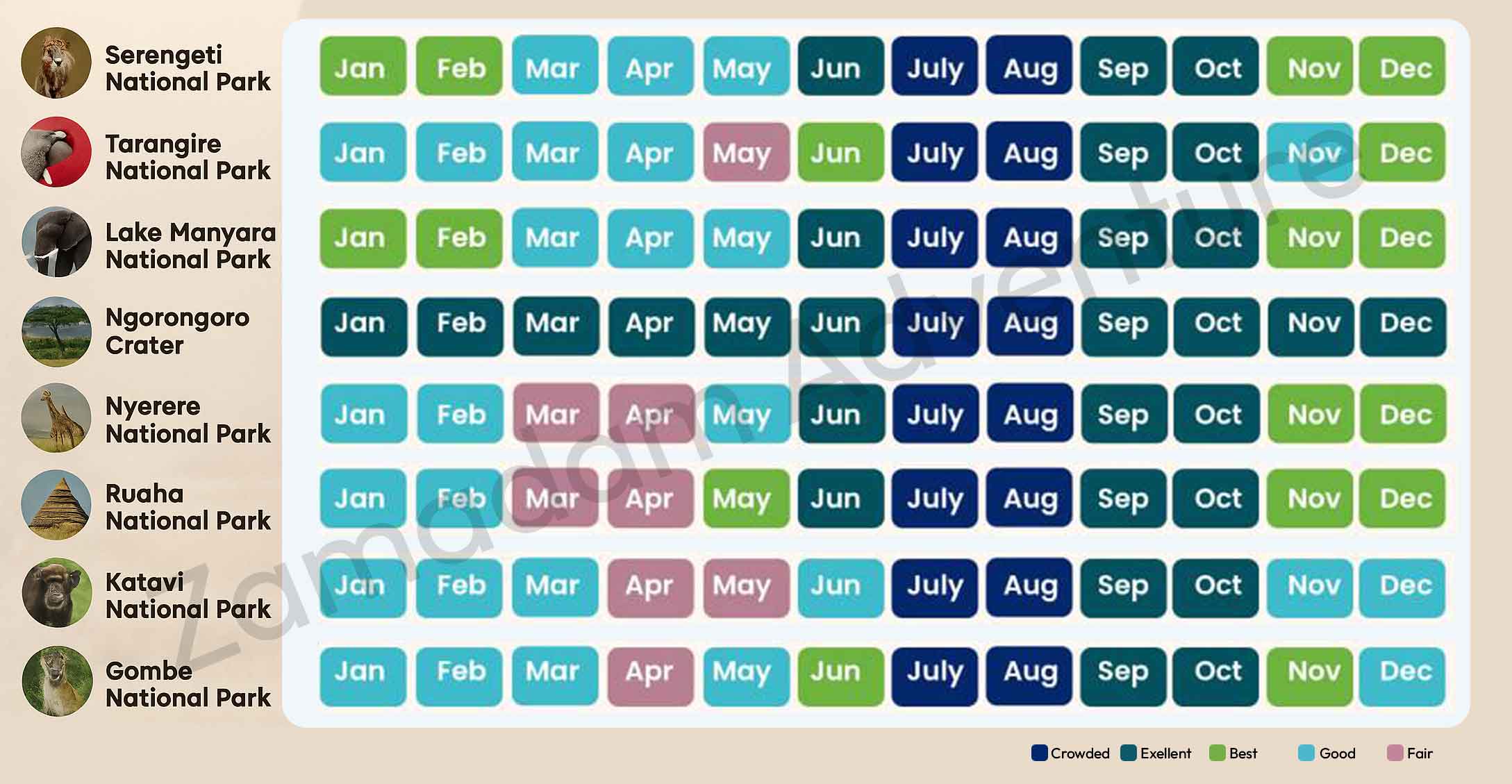
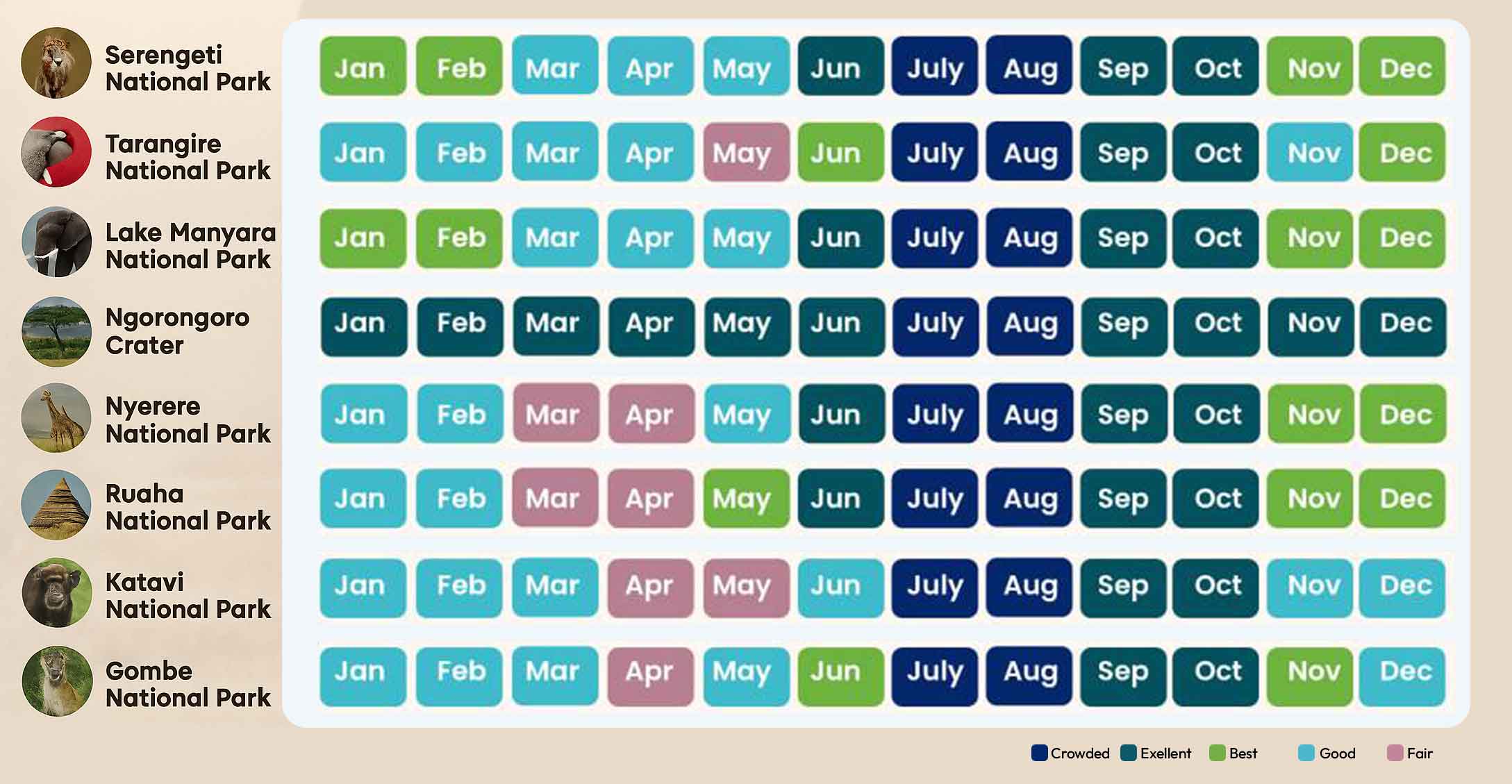
Best Time to Visit for Tanzania Safari Tours
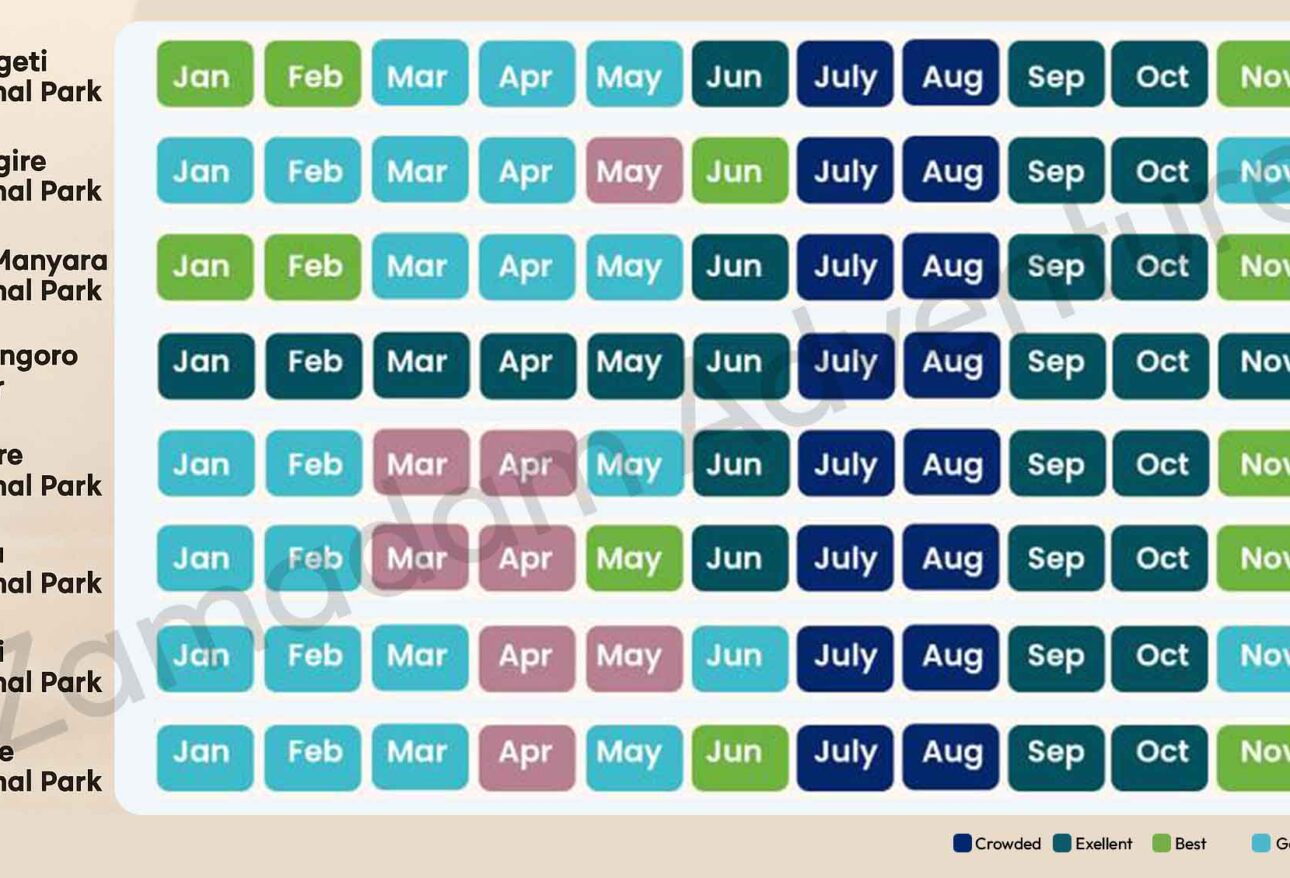
There is no single bad month, but your goals matter. Want migration drama? Target mid-year into autumn. Prefer fewer vehicles and lush landscapes? Green season (roughly November-May) brings newborn animals and excellent photography light – plus lower rates on many African safari packages.
| Season | Months (approx.) | Highlights | Trade-offs |
|---|---|---|---|
| Dry / peak | June – October | Migration north, easy viewing | Higher prices, more crowds |
| Short rains | November – December | Green plains, birdlife | Afternoon showers |
| Calving | January – March | Southern Serengeti nurseries | Some roads softer |
| Long rains | April – May | Quiet parks, value pricing | Heavier rain; some camps close |
How to Choose the Right Wildlife Safari Style
- Private safari – Flexible timing, your vehicle, ideal for families or photographers.
- Join-in / shared – Lower cost, fixed departures; great for solo travelers.
- Lodge safari – Comfort and structured mealtimes between drives.
- Camping safari – Closer to the bush; listen to hyenas at night.
Browse departures on our All Trips page, or compare a sample route like our 7-day Tanzania safari through Manyara, Serengeti, and Ngorongoro.
A Sample Seven-Day Northern Circuit Itinerary
| Day | Location | Focus |
|---|---|---|
| 1 | Arusha → Lake Manyara | First game drive |
| 2-3 | Serengeti | Full days on the plains |
| 4 | Serengeti → Ngorongoro | Scenic transfer |
| 5 | Ngorongoro Crater | Full crater floor drive |
| 6 | Tarangire | Elephants, baobabs |
| 7 | Return to Arusha | Flight home or Zanzibar |
This rhythm matches how many Tanzania safari tours from Arusha operate. Adjust nights in Serengeti if you are chasing migration corridors – your operator should map locations to season.
What to Pack for a Wildlife Safari in Tanzania
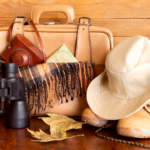
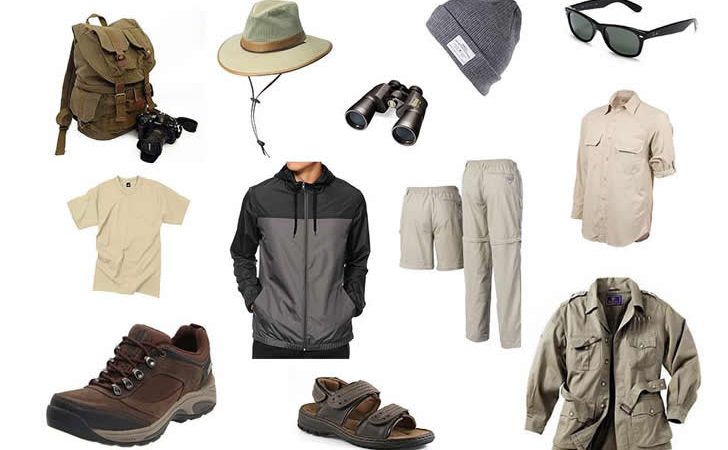
- Neutral clothing (khaki, olive, brown) – avoid bright blue.
- Soft duffel bag (many small planes have weight limits).
- Binoculars and a zoom lens (300mm+ helps).
- Sun hat, high-SPF sunscreen, lip balm.
- Insect repellent with DEET for evenings.
- Light rain jacket; warm layer for Ngorongoro mornings.
- US-dollar cash in small notes for tips and park extras.
Local Culture, Food, and People
Safari is not only about animals. In Arusha I tried nyama choma, fresh tropical fruit, and strong Tanzanian coffee. Guides often share stories about growing up near the parks – conversations that gave context to conservation and community tourism. Learning a few Swahili phrases opened warmer exchanges.
Explore regional context on our Tanzania Destination hub for circuits, parks, and map planning.
Wildlife and Conservation
Park fees on Tanzania safari tours fund anti-poaching patrols, ranger training, and habitat protection. Responsible operators follow park speed limits, keep safe distances from predators, and never crowd cats on a kill.
Resources: UNESCO – Serengeti, Tanzania National Parks, Wikipedia – Tourism in Tanzania.
Budget, Costs, and What Affects Your Quote
Prices depend on season, accommodation tier, group size, and whether flights between parks are included. Mid-range private safaris balance comfort lodges with strong guiding. Ask what is included: park fees, crater service fee, meals, drinking water, transfers, and tipping guidelines.
Photography Tips From the Vehicle
Morning and late afternoon give the best light. Rest your lens on a bean bag to reduce shake. Shoot at higher shutter speeds for birds in flight. And put the camera down sometimes – I nearly missed giraffe crossing in perfect silhouette because I was checking settings.
What I Loved Most on My Tanzania Safari Tours
The quiet minutes between sightings: coffee in a tin cup while the sky turned pink; our guide identifying bird calls without binoculars. The Big Five matter – but those in-between moments are what I replay when winter comes. My favorite memory? A lioness walking parallel to our jeep, close enough to hear her paws on dust. I could not stop smiling.
My Honest Experience
What exceeded expectations: guide knowledge, lodge hospitality, and how safe I felt on roads and in camps. What surprised me: how cold Ngorongoro mornings can be, and how much dust gets into everything by day three. What I would do differently: add one extra night in Serengeti. Who is it best for? Couples, families with teens, photographers, and first-time Africa travelers. Less ideal if you dislike early starts.
Ready to turn this guide into a real itinerary? Contact Zamadam Adventure for a custom quote tailored to your dates and budget.
Request a custom itinerary through our Contact Us page or start with Book Now.
Safety, Health, and Practical Travel Advice
- Consult a travel clinic for yellow fever and malaria advice.
- Drink sealed bottled water; lodges usually provide refills.
- Keep passports and medication in carry-on.
- Follow guide instructions near wildlife – never stand in open vehicles unless permitted.
Combining Safari With Kilimanjaro or Zanzibar
Many travelers add a Kilimanjaro trek or beach finale. After dust and early alarms, stone-town alleys and turquoise water feel like another planet. Plan buffer days – weather and flight delays happen.
Understanding Daily Safari Rhythm: What a Typical Day Looks Like
Most Tanzania safari tours run on a rhythm you learn to love by day two. A common pattern starts before sunrise: a knock at your tent or a gentle call from reception, coffee or tea waiting in the main lodge, then a game drive while predators are still active and light is soft. By mid-morning you return for brunch or a full breakfast – depending on your camp style – followed by downtime when animals rest and heat builds.
Afternoon drives begin around three or four o’clock when the bush wakes again. I used that middle pause to journal, download photos, and talk with guides about animal behavior. Evenings meant showers, gin and tonic on the deck if offered, dinner stories about sightings, and early bed because tomorrow’s alarm comes quickly. Understanding this pace helps you pack patience along with lenses – you are not touring museums; you are following nature’s clock.
Morning Drives vs. Full-Day Drives
Morning drives maximize predator activity and photography light. Full-day drives – with a picnic lunch in the bush – suit travelers who want maximum time in Serengeti without returning to camp midday. They can be tiring but rewarding during migration season when herds shift location. Discuss preferences when booking wildlife safari packages; good operators adjust without treating every day identically.
Choosing Accommodation: Lodges, Tented Camps, and Mobile Camps
Accommodation shapes your safari personality. Permanent lodges offer stone buildings, pools, and sometimes air conditioning. Tented camps use canvas walls on platforms with en-suite bathrooms – my favorite balance of adventure and comfort. Mobile migration camps follow herds seasonally, placing you closer to action but with simpler facilities.
| Type | Best for | Considerations |
|---|---|---|
| Safari lodge | Families, comfort seekers | Fixed locations; may need longer drives to wildlife |
| Luxury tented camp | Honeymoons, photographers | Higher price; incredible atmosphere |
| Mobile camp | Migration chasers | Seasonal; book early for peak weeks |
| Budget camping | Adventure travelers | Shared facilities; more rustic nights |
Road Transfers vs. Domestic Flights Between Parks
The Northern Circuit traditionally uses 4×4 transfers between parks. Roads are generally manageable in dry season, and overland travel lets you see villages, markets, and highland scenery. Domestic flights to Seronera or other airstrips save time if your budget allows – helpful on shorter itineraries or when combining distant regions.
I enjoyed overland transfers for the human scale: roadside fruit stands, Maasai bomas in the distance, and our guide explaining how rainfall two valleys away affects grazing. Fly-in safaris trade those moments for extra hours on the plains. Neither is wrong; match choice to how many days you have.
Food on Safari: What to Expect at Meals
Lodge kitchens often serve international buffets with local touches – ugali, grilled fish on coast-bound routes, tropical fruit, and fresh soups. Bush picnics might be boxed lunches with chicken, hard-boiled eggs, and salads eaten at a scenic viewpoint with armed ranger nearby where required. Vegetarian and allergy requests are usually possible with advance notice; mention needs when you contact us to plan.
Travel Tip: Tell your operator about dietary needs at booking – not the night before your first drive.
Children, Seniors, and Accessibility on Tanzania Safari Tours
Families succeed when kids understand early mornings and vehicle rules. Some camps set minimum ages; others welcome younger children on private vehicles. Seniors should consider step-in height of jeeps, availability of lodges with fewer stairs, and pacing – private safaris allow shorter drives with rest.
Accessibility varies widely. Crater viewpoints have paths; game drives require sitting for hours. Discuss mobility needs honestly so operators can suggest realistic lodges and routes.
Sustainable Tourism: How to Travel Responsibly
- Choose operators that employ local guides and pay fair wages.
- Refuse single-use plastic where possible; many camps now offer refill stations.
- Keep voices low near wildlife; stress affects animal behavior.
- Buy crafts directly from cooperatives when visiting cultural stops.
- Never ask drivers to chase animals or leave designated tracks in parks.
Common Mistakes First-Time Safari Travelers Make
- Packing too much hard luggage instead of soft duffels for small planes.
- Scheduling too many parks in too few days – quality beats checklist tourism.
- Expecting phone signal everywhere; enjoy disconnecting or buy a local SIM in Arusha.
- Skipping travel insurance that covers medical evacuation.
- Forgetting that tips and park extras are part of the real budget.
How Zamadam Adventure Approaches Custom Tanzania Safari Tours
Based in Arusha, Zamadam Adventure builds routes around your dates, comfort level, and interests – photography, family travel, migration timing, or combining bush and beach. A sample starting point is our 7-day Northern Circuit safari, which you can extend or adjust. Browse the full collection on All Trips or send a message describing your dream itinerary.
What I value in a local operator is transparency: clear inclusions, realistic drive times, and guides who teach rather than rush. That is the standard we hold when helping guests plan wildlife safari experiences in Tanzania – whether it is a first trip or a return visit to Serengeti skies you cannot forget.
Why Serengeti Still Defines Tanzania Safari Tours
Even travelers who have been on safari elsewhere tell me Serengeti feels vast in a way photographs cannot capture. Horizon after horizon of grass, dust devils in the distance, and the sound of hooves when wildebeest columns move – it is why so many Tanzania safari tours center here. If you can only prioritize one park on a short trip, Serengeti is the name I hear most often when people say they would return tomorrow.
Frequently Asked Questions
Most travelers choose 5-8 days on the Northern Circuit for a solid Big Five experience. Ten or more days allow Southern Circuit add-ons or slower pacing.
Yes, with reputable operators, family-friendly lodges, and private vehicles. Minimum ages vary by camp; ask about long drive times for young children.
Usually transport in a 4×4, guide, park fees, lodging, and main meals. Flights, visas, drinks, tips, and optional activities are often extra.
The migration moves year-round. River crossings near the Mara are most likely around mid-year into autumn, but timing varies with rainfall.
Most nationalities require a visa or eligible online authorization. Check official government sources before travel and keep passport validity beyond six months.
Expect lions, elephants, buffalo, giraffe, zebra, wildebeest, hippos, and diverse birds. Rhino sightings are possible in Ngorongoro; leopards require patience.
Yes. Private safaris offer flexible schedules and are ideal for photographers, honeymooners, and groups. Zamadam Adventure customizes routes from Arusha.
Many travelers set aside roughly $10-$15 per guest per day for guide and camp staff combined; ask your operator for local norms.
It is a splurge, but sunrise views and silent drifting over herds are unforgettable. Book early in peak season.
Lodges offer en-suite rooms and more comfort; camping brings you closer to nature with simpler facilities. Match style to sleep sensitivity and budget.
Yes. Fly to Zanzibar for beach time after your bush days. Build at least 3-4 nights to unwind and recover from early morning drives.
Local teams know road conditions, seasonal wildlife movements, and lodge quality firsthand – often improving value and response time when plans change.
Final Thoughts: Planning Your Wildlife Safari in Tanzania
A well-planned Tanzania safari tour blends preparation with openness – pack smart, trust your guides, and leave room for surprise. Whether you dream of Serengeti horizons, crater-floor rhino searches, or a beach finale, Tanzania delivers stories you will tell for years.
When you are ready, explore all trips and packages, review our 7-day Northern Circuit safari, or contact our Arusha team to design a route around your dates.