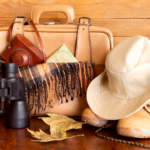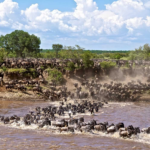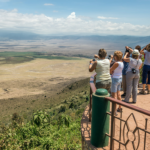
A good Tanzania safari packing list is less about buying expensive gear and more about being comfortable at 5:45 AM when the vehicle leaves, staying dust-ready at midday, and having the small items that make lodge life easy. This guide is written for first-timers who want to pack smart without overthinking.
If you are still choosing parks and routes, our Tanzania safari tours guide explains how the Northern Circuit fits together. Once your dates are set, use this list to pack like you have done it before.
Quick Packing Rules (So You Do Not Overpack)
- Pack light layers – mornings are cool, afternoons are warm.
- Neutral colors work best; avoid bright reds and noisy fabrics.
- Choose a soft duffel bag for safari vehicles and small planes.
- Bring fewer outfits and plan to re-wear; lodges can do laundry.
Clothing: What You Actually Wear on Safari
| Item | How many | Why |
|---|---|---|
| T-shirts / tops | 4-6 | Breathable for game drives |
| Long-sleeve layer | 1-2 | Sun and mosquito protection |
| Light jacket or fleece | 1 | Cold mornings and crater rim |
| Pants (quick dry) | 2-3 | Comfort, dust, and evenings |
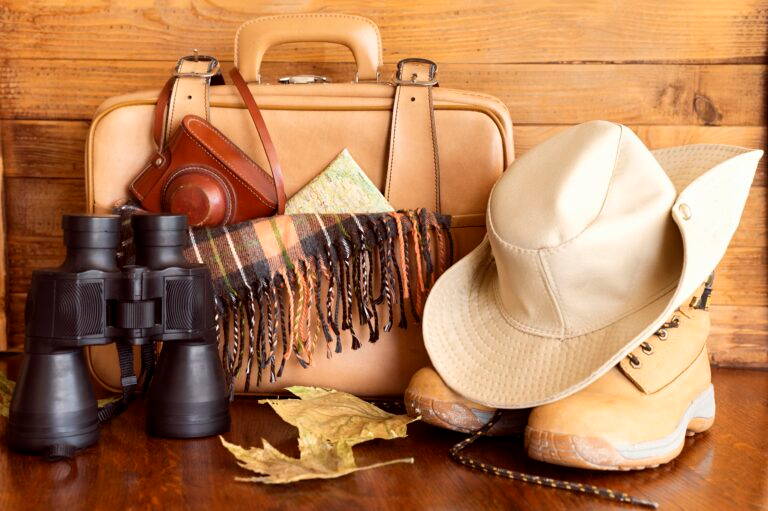
| Hat | 1 | Sun protection |
Footwear
- Closed shoes or light hikers for dusty areas and walks
- Sandals or slides for lodge downtime
Safari Essentials (Do Not Forget These)
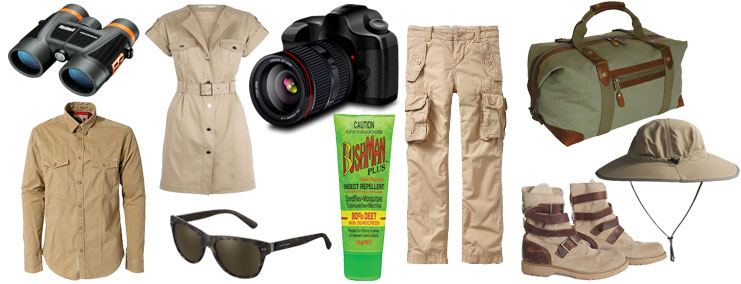
- Binoculars (even a small pair changes the experience)
- Sunscreen and lip balm
- Insect repellent for evenings
- Reusable water bottle
- Headlamp or small torch for tented camps
- Power bank and spare camera batteries
Photography Gear
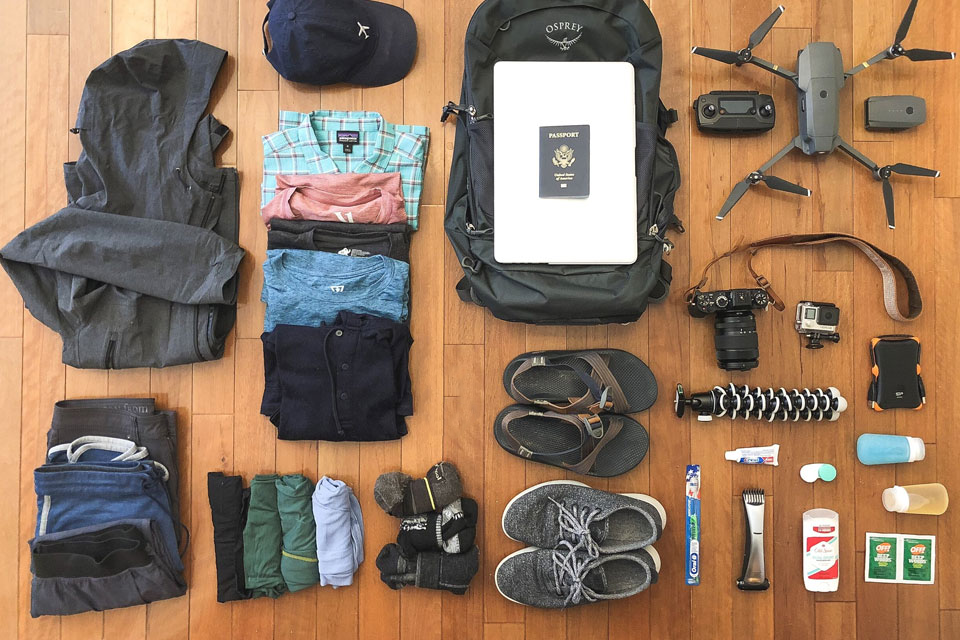
If you photograph wildlife, a zoom lens matters more than any other upgrade. Phones can capture moments, but a lens brings animals close. A simple window bean bag stabilizer is an underrated item.
Health and Documents
- Passport and visa plan (online or on arrival by nationality)
- Travel insurance with medical evacuation
- Any prescription medicines in carry-on
- Consult your doctor on malaria prevention
Pro tip: keep a small pouch with passport, cards, and tips money. You will use it daily.
Money, Tips, and Little Things
Tipping is customary. Many guests budget an amount per day for their driver-guide plus lodge staff. Also pack a universal adapter, wet wipes, and a few zip bags for dust protection.
Packing by Season (Dry vs Green)
Dry season (June to October)
Dusty drives – bring a light scarf or buff and a lens cloth.
Green season (March to May)
Rain comes and goes – add a light rain jacket and quick-dry items.
What I Loved Most About Packing Light
Once I stopped overpacking, mornings became calmer. I knew exactly where my jacket, camera batteries, and sunscreen were. That small calm matters when your day starts before sunrise.
My Honest Experience
Most people bring too many clothes and not enough small comfort items. If I had to choose, I would rather have a good headlamp and power bank than a fifth outfit.
Extra Planning Notes (For First-Timers)
If you are booking your first Tanzania itinerary, focus on pacing. A good safari day starts early, so protect your sleep. On beach extensions, protect your recovery time by avoiding back-to-back transfers. Ask your operator to show the exact day-by-day route, not just park names.
If you are comparing operators, look for clear inclusions, transparent fees, and realistic drive times. In Tanzania, a calm itinerary usually beats an overstuffed one.
For more context and internal links, browse our safari planning pillar and all trips.
Packing for Lodge Safaris vs Camping Safaris
Lodge safaris are comfortable and often include laundry, so you can pack fewer clothes. Camping safaris need more practical items: a headlamp, extra wipes, and a slightly tougher attitude for dust and cold mornings. Your packing list should match the style you booked.
| Style | Add these items | Why |
|---|---|---|
| Lodge | Smart-casual dinner layer, small daypack | Comfort and organization |
| Tented camp | Headlamp, warm layer, earplugs | Nights and early mornings |
| Camping | Extra wipes, quick-dry towel, backup batteries | Simple routines and dust |
Electronics and Power on Safari
Power can be limited in some camps, especially overnight. A good power bank, spare camera batteries, and a universal plug adapter remove stress. If you rely on phone maps or translation apps, download offline copies before leaving Arusha.
Comfort Items That Make a Huge Difference
- Lip balm and moisturizer (dust and sun are drying).
- Wet wipes and hand sanitizer (especially on picnic lunches).
- A light scarf or buff for dust and wind.
- A small zip pouch for tips money and daily essentials.
What Not to Pack
- Hard suitcases if you have any internal flights or tight vehicles.
- Too many shoes – you mostly sit in the vehicle.
- Expensive jewelry – it is not needed and adds worry.
- Camouflage clothing – avoid it for travel comfort and local perceptions.
For first-timer planning context, read things I wish I knew before a Tanzania safari and then browse all trips to match packing to your exact route.
Detailed Notes and Practical Tips
Good safari planning is built from small details: early starts, realistic transfer days, and clear expectations. The more your itinerary respects energy levels, the more you will enjoy the wildlife moments when they happen.
When comparing options, read inclusions carefully, ask for exact lodge names, and confirm park fees and taxes in writing. A clear plan is usually a sign of a professional operator.
If you want help matching dates, lodges, and route style, use the contact page to request a custom itinerary and compare it to our trip list.
A Day-by-Day Packing Mindset
Think in routines: early morning drive, midday rest, afternoon drive, then dinner. If an item does not support that routine, you probably do not need it. Your body will be happier with fewer choices and more comfort items.
Packing for Small Planes (If Your Itinerary Flies)
Some safari routes include small planes between parks. These flights often have strict baggage limits and prefer soft bags. Pack one compact duffel, keep heavy items minimal, and move camera gear into a daypack.
A Printable Checklist
- Documents: passport, visa plan, insurance, copies of bookings.
- Clothing: layers, neutral tops, pants, light jacket, hat.
- Health: prescriptions, repellent, sunscreen, basic first aid.
- Gear: binoculars, camera, batteries, power bank, adapter.
- Comfort: headlamp, wipes, scarf, small pouch for tips.
Pack for comfort, not fashion. Safari photos look best when you feel relaxed, not overdressed.
Deep Planning Notes 1
This section exists for travelers who want to plan calmly and avoid surprises. It explains what guides do not always say in short itineraries: where time goes, what feels rushed, and which small choices change the whole mood of the trip.
What a “good day” feels like
A good safari day is simple: you start early, you see wildlife without chasing, you stop for coffee and photos, and you return with enough energy to enjoy dinner. A bad safari day is a spreadsheet: too many gates, too many hours on the road, and not enough time with animals.
Questions that reveal quality
- Which park zones do you expect to focus on, and why?
- How many hours are we realistically driving on transfer days?
- What time do game drives start and end at our specific camp?
- What is the backup plan if weather changes road conditions?
- Is the itinerary flexible, or fixed to a shared group schedule?
Simple checklist before you pay
| Check | Why it matters |
|---|---|
| Clear inclusions | So you compare quotes fairly |
| Named lodges or camps | So you can judge location and comfort |
| Realistic timing | So the trip feels like a holiday |
| Private vs shared vehicle | Big impact on comfort and photos |
| Internal flight rules (if any) | Baggage limits can change packing |
If you want a safe next step, use these internal links: Tanzania safari tours guide, All Trips, and Contact Us.
Packing is about routines
Your best packing strategy is building a repeatable morning routine: jacket, camera, water, sunscreen, then go. The fewer decisions you make at 5:45 AM, the happier you are.
Deep Planning Notes 2
This section exists for travelers who want to plan calmly and avoid surprises. It explains what guides do not always say in short itineraries: where time goes, what feels rushed, and which small choices change the whole mood of the trip.
Deep Planning Notes 3
This section exists for travelers who want to plan calmly and avoid surprises. It explains what guides do not always say in short itineraries: where time goes, what feels rushed, and which small choices change the whole mood of the trip.
Deep Planning Notes 4
This section exists for travelers who want to plan calmly and avoid surprises. It explains what guides do not always say in short itineraries: where time goes, what feels rushed, and which small choices change the whole mood of the trip.
Packing for Flights Into Tanzania (JRO)
Keep your essential items in carry-on: passport, medication, one change of clothes, chargers, and any expensive camera gear. Delays happen. Starting your safari without essentials is avoidable if you pack for one night independently.
What to Pack for Children and Families
- Light snacks for long drives.
- A small blanket or neck pillow for early mornings.
- A simple activity book for lodge downtime.
- Kids sunscreen and insect repellent that they tolerate.
A Simple “Do Not Forget” Mini List
| Item | Reason |
|---|---|
| Power bank | Camps can have limited outlets |
| Headlamp | Tented camps at night |
| Binoculars | Wildlife details at distance |
| Light jacket | Cold crater rim mornings |
| Lens cloth | Dust on game drives |
Link this packing list to your route
Packing changes slightly by route and season. For route context, browse Tanzania Destination and compare options on All Trips. If you want help matching your packing plan to your exact itinerary, use Contact Us.
What to Wear on Game Drives (Comfort First)
You spend most game drive hours seated, with wind and dust. Choose breathable fabrics and layers you can remove quickly. A light long-sleeve top helps with sun and insects. A hat and sunglasses matter more than extra outfits.
A Complete Toiletries and Health Kit
- Sunscreen, lip balm, and moisturizer for dry air.
- Insect repellent and after-bite relief.
- Basic first aid: plasters, antiseptic wipes, pain relief.
- Prescription medicine plus copies of prescriptions.
- Electrolytes if you struggle in heat.
Laundry Reality Check
Many lodges offer laundry, but some camps do not wash underwear for cultural reasons. Pack accordingly and ask in advance. If laundry is available, you can reduce clothing volume drastically.
For route planning that affects packing, open Tanzania safari tours guide and compare trips in All Trips.
Packing for Safari Vehicles: Small Things That Matter
- A small daypack you can keep at your feet.
- Reusable bottle plus electrolytes for hot days.
- A microfibre cloth for sunglasses and camera lenses.
- A light scarf for dust on transfer roads.
- A zip bag for protecting chargers and batteries from dust.
What to Pack for Zanzibar If You Continue to the Beach
If your itinerary includes Zanzibar after safari, add one beach outfit set, reef-safe sunscreen, and sandals. Keep it minimal: the beach portion is easier to shop for locally if you forget something.
Packing for Different Travelers
| Traveler | Add these items | Why |
|---|---|---|
| Families | Snacks, small blanket, extra wipes | Comfort on long drives |
| Honeymooners | One nicer dinner layer, small perfume/cologne | Evening comfort |
| Photographers | Extra batteries, bean bag, lens cloth | Better shots with less stress |
| Budget travelers | Refillable bottle, compact rain layer | Value and flexibility |
Use Tanzania Destination to see which parks and climates match your route, then compare options in All Trips.
Packing for Comfort During Long Drives
- A small neck pillow or scarf you can roll into support.
- Snacks that do not melt easily.
- Wet wipes for quick cleanups after dusty stops.
- A light rain layer in case weather changes mid-drive.
Use the Tanzania safari tours guide to match packing to your route, then browse All Trips to confirm your park mix.
Packing for Different Park Climates
Tanzania is not one temperature. The Ngorongoro rim can feel cold at night and early morning. Serengeti days can be warm and dusty. Lake areas can bring more insects. Packing one light jacket and one long-sleeve layer usually solves the comfort problem without heavy luggage.
Ngorongoro and highlands
- Light fleece or jacket
- Long pants for evenings
- Closed shoes for cool mornings
Serengeti plains
- Breathable tops
- Dust scarf or buff
- Sunscreen and lip balm
Lakes and greener areas
- Insect repellent
- Light long-sleeve layer
- After-bite cream
A Simple “One Bag” Packing Strategy
If you want to pack in one bag, choose 4 to 5 core outfits that mix easily, then rely on laundry where available. Keep your daypack consistent: water, repellent, sunscreen, camera, power bank. This routine makes early starts easier and keeps you comfortable all week.
Match packing to your route using the Tanzania safari tours guide, then confirm durations on All Trips.
Printable Packing Checklist (Copy and Tick)
| Category | Must-pack items |
|---|---|
| Documents | Passport, visa plan, travel insurance, copies of bookings |
| Clothing | Neutral tops, quick-dry pants, light jacket, hat, sleepwear |
| Health | Sunscreen, repellent, prescriptions, small first aid |
| Gear | Binoculars, camera, batteries, power bank, adapter |
| Comfort | Headlamp, wipes, scarf/buff, reusable bottle |
If You Are Flying Between Parks
Small planes can have baggage limits. A soft bag and a compact daypack keep you within limits. Keep heavy camera items in your daypack and avoid packing unnecessary shoes or bulky hard cases.
How to Pack When You Do Laundry
- Pack 4 to 5 core outfits and re-wear items.
- Use laundry for mid-trip resets when the lodge offers it.
- Keep one “clean set” in reserve for travel days and airports.
For route context and season notes, use the Tanzania safari tours guide and compare durations on All Trips. If you want a packing list tailored to your exact route, use Contact Us.
Last-Minute Store Runs in Arusha (What to Buy Locally)
If you forget something, Arusha can cover the basics: sunscreen, repellent, simple hats, snacks, and sometimes binoculars. Do not panic-buy expensive gear at the airport. Ask your operator what is easy to find locally and what you should bring from home (special prescriptions and camera batteries are the two big ones).
Quick Summary: The 10 Most Important Items
- Soft duffel bag
- Light jacket or fleece
- Neutral layers
- Closed shoes
- Sunscreen and lip balm
- Insect repellent
- Power bank
- Binoculars
- Headlamp
- Lens cloth and wipes
Frequently Asked Questions
Pack light layers, neutral clothing, a soft duffel, closed shoes, sunscreen, insect repellent, and a power bank. Add binoculars if possible.
Not usually. Comfortable closed shoes are enough unless you add trekking or long walking safaris.
Many lodges offer laundry, especially mid-range and luxury stays. Ask in advance if you have a tight packing plan.
Avoid bright colors and camouflage-style patterns. Neutral earth tones are best for comfort and photos.
Yes, at least a light fleece or jacket for early mornings and crater rim temperatures.
A soft duffel is easiest for vehicles and small planes. Hard suitcases are awkward in tight storage.
It depends on tips, drinks, and souvenirs. Many travelers bring small USD bills for tips and incidentals.
Yes, especially in evenings and near water. It is a small item that makes nights much more comfortable.
A zoom lens in the 200mm to 400mm range is a strong all-around choice for wildlife shots.
Bring a scarf or buff for dust, lens cloths, and lip balm. Mornings can still be cool so keep layers.
Final Thoughts
If you want help matching a packing plan to your exact route, browse all trips or contact our Arusha team.